Materiales
/
Every artist, whether a seasoned professional or an enthusiastic beginner, understands that the quality and selection of art materials can significantly influence both the creative process and the final result. From the rich textures of oil paints to the delicate washes of watercolors, the materials you choose become the vocabulary of your visual language. This guide explores the essential categories of art materials, offering insights into their properties, applications, and care, helping you make informed decisions that elevate your artistic practice. Whether you are preparing your first canvas or expanding your studio arsenal, understanding the fundamentals of art materials is the first step toward unlocking your full creative potential.
Understanding Different Types of Paint
Paint is the core of most artistic expressions, and each type offers distinct characteristics that suit different styles, techniques, and surfaces. The three most common families—oil, acrylic, and watercolor—each have unique behaviors regarding drying time, opacity, and workability. Oil paints, known for their rich, luminous colors and slow drying times, allow artists to blend and rework areas over several days, making them ideal for detailed and layered works. Acrylics, on the other hand, are water-based, quick-drying, and versatile; they can mimic the look of oils or watercolors depending on dilution and additives. Watercolors are prized for their transparency and fluidity, requiring a different approach that often involves working from light to dark.
Beyond these primary types, artists may also explore gouache, an opaque watercolor, or tempera, a traditional medium with a matte finish. Each paint type also comes in various grades, from student-quality (with lower pigment concentration and more fillers) to professional-grade (high pigment load and superior lightfastness). Understanding the differences can help you choose the right paint for your project and budget.
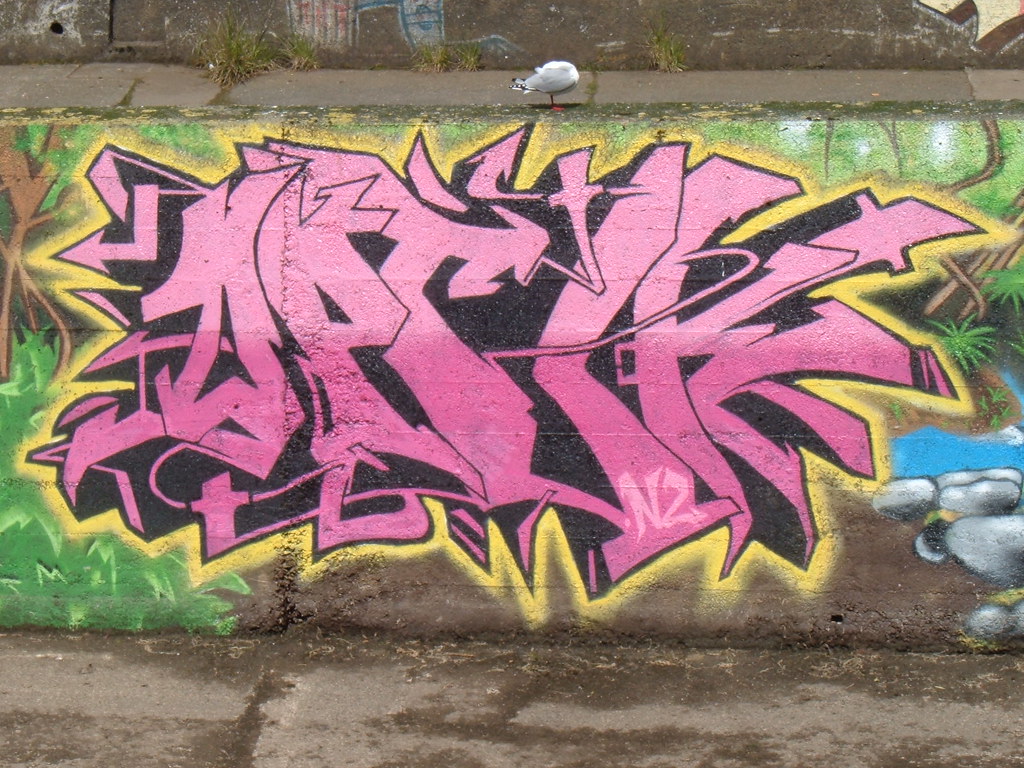
A quick overview of paint types:
- Oil paint: Slow drying, rich color, requires solvents for thinning and cleaning.
- Acrylic paint: Fast drying, water-soluble, can be used on many surfaces.
- Watercolor: Transparent, reactivates with water, typically on paper.
- Gouache: Opaque watercolor, matte finish, can be reactivated.
- Tempera: Fast drying, often used by children but also in fine art.
Experimentation with different paints can open new creative doors, and many artists combine media for mixed-media works. Always consider the support (canvas, paper, etc.) when selecting paint, as some types adhere better to specific surfaces.
Selecting the Right Surfaces and Supports
The surface you paint on, often called the support, is just as important as the paint itself. The most common supports are canvas, paper, and wood panels, each offering different textures, absorbency, and durability. Canvas, typically made of cotton or linen stretched over a wooden frame, is the standard for oil and acrylic painting. It provides a flexible yet sturdy surface that can be primed with gesso to achieve the desired absorbency and tooth. Linen canvas is considered superior due to its strength and fine texture, but cotton is more affordable and widely used.

Paper is the primary support for watercolor, gouache, and drawing media. It comes in various weights, textures (hot-pressed smooth, cold-pressed medium, rough), and acid-free qualities to prevent yellowing. For mixed media or heavier applications, artists may use heavyweight paper or board. Wood panels, once the standard for old masters, have seen a resurgence among contemporary artists for their rigid, smooth surface, especially suitable for detailed work or encaustic painting.
Preparing your support is crucial for archival quality. Priming canvas or wood with gesso seals the surface, prevents paint from soaking into the fibers, and provides a consistent base. Many pre-primed canvases are available, but applying additional coats can enhance paint adhesion. Paper for watercolor should be stretched to prevent buckling when wet, though heavy-weight paper may not require stretching.
- Canvas: Ideal for oils and acrylics; available in cotton or linen.
- Paper: Best for watercolor, gouache, pastels, and drawing; choose weight and texture appropriate to medium.
- Wood panel: Smooth and rigid; suitable for oils, acrylics, and mixed media.
- Other surfaces: Metal, glass, and even fabric can be used with proper preparation.
Brushes and Tools for Every Technique
Brushes are an extension of the artist's hand, and their shape, size, and bristle type greatly affect the marks you make. Brushes are categorized by the type of hair or bristle, the shape of the ferrule (the metal part), and the shape of the brush head. Natural hair brushes, such as sable, squirrel, or hog bristle, are favored for their ability to hold paint and create smooth strokes, but synthetic brushes have improved dramatically and are often more affordable and durable.
Common brush shapes include round (pointed tip for detail and lines), flat (square edge for bold strokes and washes), filbert (oval shape for blending), and fan (for textures and soft blends). The size of the brush, indicated by a number, corresponds to the width of the bristles. For oil and acrylic painting, stiff hog bristle or synthetic equivalents are popular for their ability to push thick paint, while soft sable or synthetic sable are preferred for watercolor due to their water-holding capacity.
A good tool does not make a good artist, but a poor tool can certainly hinder one. Investing in quality brushes that suit your medium will pay dividends in control and longevity.
Beyond brushes, artists use palette knives for mixing and applying paint, sponges for textures, and various other implements like scrapers, combs, and even unconventional items to achieve unique effects. The palette itself, whether wooden, glass, or disposable, is an essential tool for organizing and mixing colors. Keeping your tools clean and well-maintained is vital for consistent performance.
Supporting Materials: Mediums, Varnishes, and Additives
Mediums are substances added to paint to alter its consistency, drying time, gloss, or transparency. For oil paints, mediums like linseed oil, stand oil, or alkyd-based mediums can speed drying or increase flow. Acrylic mediums include gels, pastes, and fluids that can thicken paint, add texture, or create glazes. Watercolor artists use gum arabic to increase gloss and transparency, or ox gall to improve flow. Understanding how to use mediums expands the versatility of your paints and allows for more complex techniques.
Varnishes serve a different purpose: they protect finished paintings from dust, UV light, and abrasion, and can unify the surface sheen. Removable varnishes are recommended for oil and acrylic paintings, as they allow for future cleaning and restoration. Varnishes come in matte, satin, and gloss finishes, and should be applied only when the painting is fully cured (which can take months for oils).
Safety is an important consideration when using mediums and solvents. Many oil painting solvents like turpentine or mineral spirits release harmful fumes and should be used in well-ventilated areas. Water-based alternatives are available. Always read labels and follow manufacturer instructions. For more detailed safety information, you might refer to our artist guidelines.
Caring for Your Materials
Proper care extends the life of your art materials and ensures consistent results. Brushes, in particular, require regular cleaning after each session. For water-based paints, rinsing with water and mild soap is sufficient; for oils, solvents are needed, followed by soap and water. Never leave brushes standing in water or solvent, as this bends the bristles and loosens the ferrule. Reshape the brush head after cleaning and allow it to dry horizontally or hanging bristle-down.
Paints should be stored tightly sealed in a cool, dry place away from direct sunlight. Oil paints in tubes can last for years, but once opened, they should be used within a reasonable time to prevent drying. Acrylics can dry out quickly if lids are not secure. Watercolor pans and tubes should be kept dry to prevent mold. Canvases and paper should be stored flat or rolled with care, protected from humidity and pests.
Environmental factors like temperature and humidity can affect both the materials and the finished artwork. Extreme heat can cause oil paints to wrinkle or crack, while high humidity can promote mold on paper and canvas. Maintaining a stable studio environment is ideal for both creation and storage.
Building Your Starter Kit on a Budget
Starting with art materials does not require a huge investment; focusing on a few quality basics is better than buying a large set of inferior supplies. A beginner's kit for painting might include a selection of primary colors (red, blue, yellow) plus white and black, a few brushes in different shapes and sizes, a suitable surface, and one or two mediums. From these, you can mix a wide range of colors and learn fundamental techniques without overspending.
Here is a suggested minimal list for a beginner in acrylics or oils:
- 5–6 tubes of paint (titanium white, cadmium red hue, cadmium yellow hue, ultramarine blue, burnt umber, and maybe a green).
- 3–4 brushes: a flat, a round, a filbert, and a small detail brush.
- A pre-primed canvas or a pad of canvas paper.
- A palette (disposable or reusable).
- For oils: a solvent and a medium; for acrylics: water and a retarder if desired.
As you progress, you can add specialized colors, brushes, and surfaces. Remember that skill development matters more than the price of materials. For more tips on getting started, feel free to visit our help section or create an account to join our community of artists. Your journey into art is personal and exciting—choose materials that inspire you and enjoy the process of creation.